The heron stands on one leg at the edge of the canal as if the city owes it rent and is late. I see it three mornings a week when the air still carries night cool and the joggers have not yet multiplied. Grey-blue feathers, yellow eye, absolute stillness. Humans pass with footfall; the bird registers vibration the way a needle registers groove.
I am not a birder. I lack the list, the app, the telephoto lens. I am a woman on a walk between home and the market who has learned one species by repetition. The heron teaches timing. It strikes when the water surface forgets to ripple. Missed fish mean nothing personal — another minute, another angle.
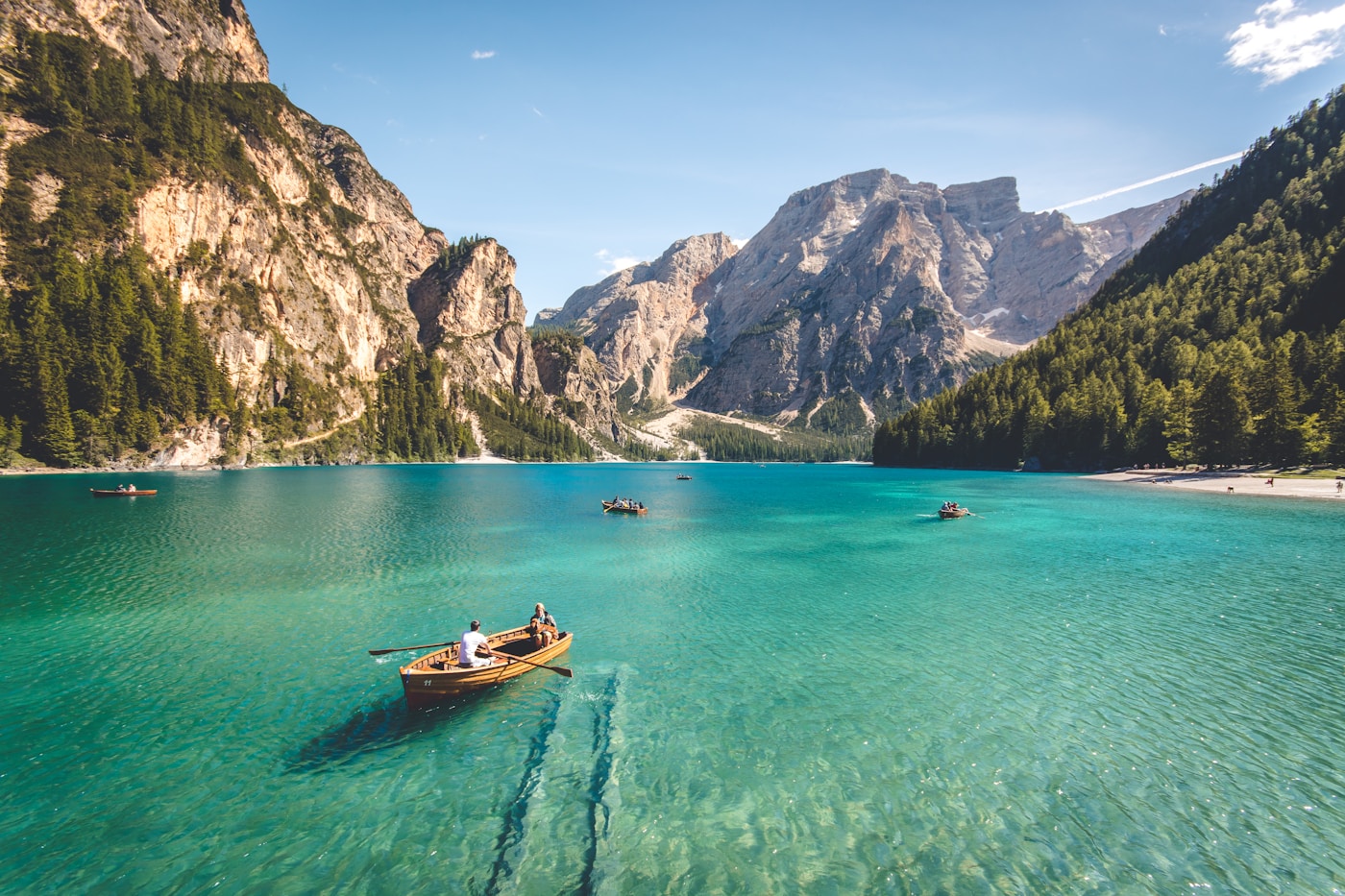
January light is clean. Low sun paints the railing long across the pavement. An uncle tai-chis with radio volume considerate. A cleaner hoses the bridge deck while cyclists wait, one foot down, polite impatience. Everyone shares the corridor without manifesto. That sharing feels harder elsewhere; here it is practiced daily.
Today the heron catches something silver and small. Swallow, reset, ignore applause that did not happen. I note the time in my phone not for science but for myself — 6:41 am, tide of memory. If the bird is absent tomorrow I will not mourn. Regularity in wildlife is gift, not contract.
On the return leg I photograph the bank where egrets sometimes gather. Today only litter caught in roots — a bottle label, a straw wrapper. I pick up what I can reach without climbing the fence. The heron would not approve or notice. Still, the canal looks less embarrassed when I leave.
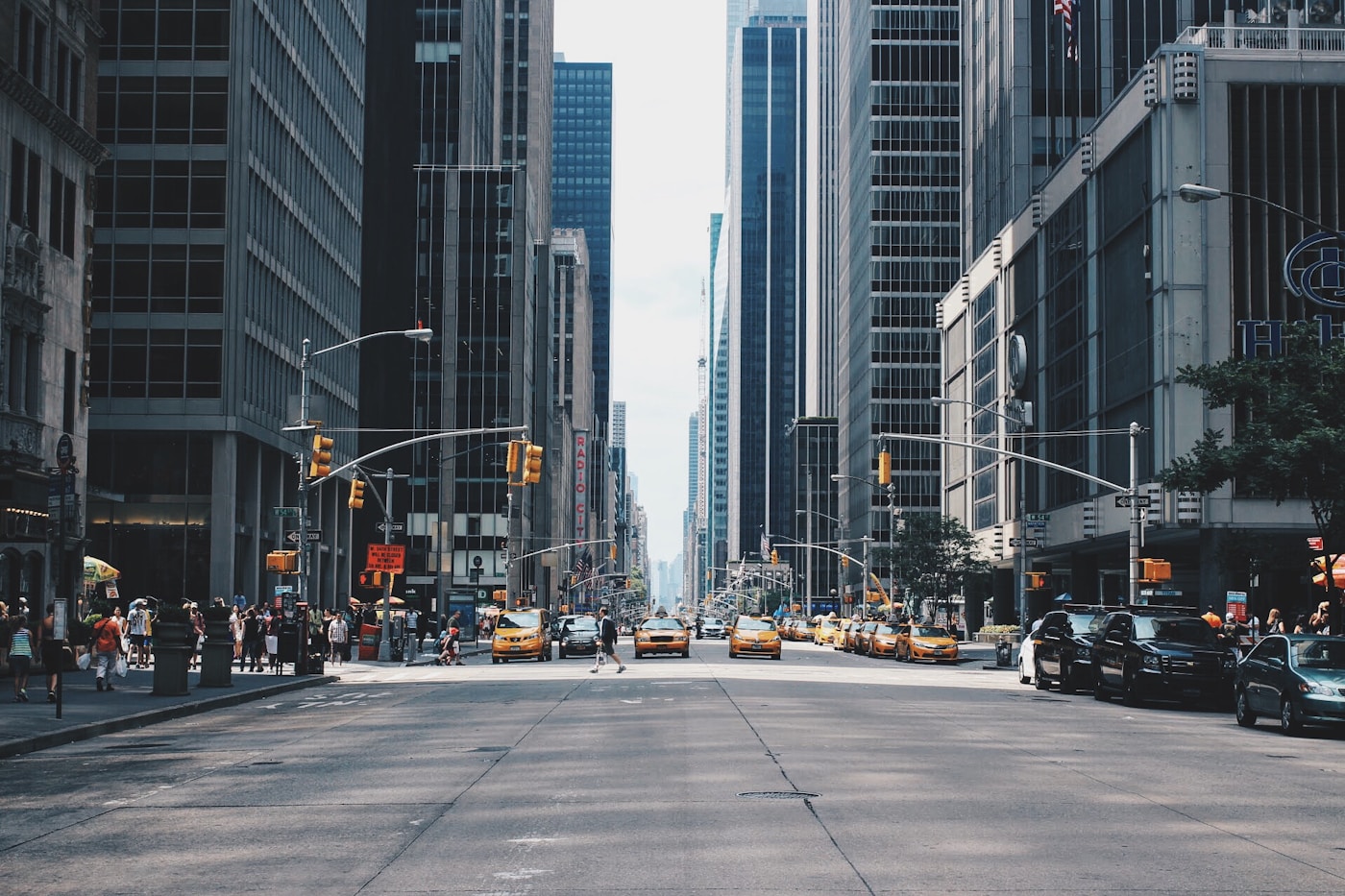
By the time I reach Mei Ling Street the sun has climbed enough to flatten shadows. The heron hour closes. Office lights blink on in towers I cannot name from ground level. I carry the stillness anyway, useless and valuable, like a sentence saved for a page not yet written.
Later I pass the same stretch on the way to the market. The heron is absent. A family of otters would appear downstream next week according to the neighbourhood chat, but today the water is only water. Absence does not negate the earlier sighting. It confirms rarity.
I photograph nothing on the return. Photography sometimes steals the attention I want to give walking. Instead I count herons in memory — one this year that mattered, several last year, none the year my mother died when mornings were hospital corridors instead of canal paths. Grief rearranges which hours you keep.
If you walk this path, do not chase the heron with your voice. Stand where the railing is dry. Let the city sound fade until you hear the small splash that means breakfast succeeded. Then leave before you become part of the scenery yourself.
The canal path belongs to joggers before seven and to aunties after nine. Between those hours it is mine — not exclusively, but recognisably. I know which bench slats wobble and which tree roots lift the asphalt. Knowledge without ownership is how most of us relate to public space in Singapore.